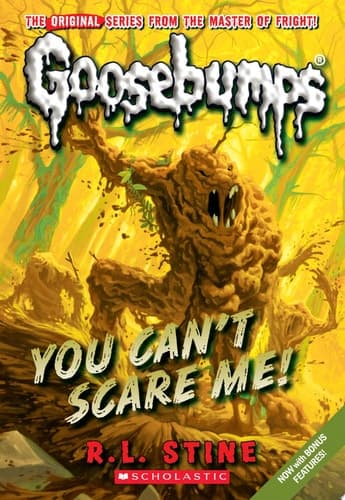
You Can't Scare Me! (Classic Goosebumps #17) — Content Guide for Parents
Themes present
Not found
Content themes
Factual summary of themes present in this book. No opinion — just the facts.
Get the full theme breakdown in the app
Detailed evidence, confidence ratings, and source citations for every theme.
Download for iOSExample theme card
Religious themes
PRESENTContains references to prayer and church attendance. A minister character plays a supporting role in two chapters.
About this book
Frequently asked questions
Is You Can't Scare Me! (Classic Goosebumps #17) appropriate for a 7-year-old?
While the book is designed to be spooky and may include some tension, there is no explicit violence between characters. The focus is on scares rather than physical harm. The book is intended to be scary for children, featuring themes of fear and suspense as Eddie tries to scare Courtney. This aligns with the overall tone of the Goosebumps series, which is designed to entertain young readers with spooky tales.
Does You Can't Scare Me! (Classic Goosebumps #17) have violence?
While the book is designed to be spooky and may include some tension, there is no explicit violence between characters. The focus is on scares rather than physical harm.
Does You Can't Scare Me! (Classic Goosebumps #17) have scary content?
The book is intended to be scary for children, featuring themes of fear and suspense as Eddie tries to scare Courtney. This aligns with the overall tone of the Goosebumps series, which is designed to entertain young readers with spooky tales.
Does You Can't Scare Me! (Classic Goosebumps #17) have religious themes?
No religious content is present in the book itself. The search results reference general reviews and discussions about the series, but do not indicate any specific religious themes or practices in the narrative.
Does You Can't Scare Me! (Classic Goosebumps #17) have racial/cultural content?
No explicit racial themes or discussions are present in the book. The narrative focuses on the characters' interactions and the spooky elements rather than race.
Does You Can't Scare Me! (Classic Goosebumps #17) have profanity?
No profanity is present in the book. The language used is appropriate for the target age group.
Does You Can't Scare Me! (Classic Goosebumps #17) have climate change?
No climate themes or environmental discussions are present in the book. The narrative is focused on spooky elements and character interactions rather than environmental issues.
Does You Can't Scare Me! (Classic Goosebumps #17) have sexual identity?
No sexual content is present in the book. The narrative is aimed at children and does not include themes of a sexual nature.
Does You Can't Scare Me! (Classic Goosebumps #17) have gender roles?
The book features a male protagonist, Eddie, and a female character, Courtney, but does not actively discuss or critique gender roles. The story centers on their interactions without promoting specific gender expectations.
Does You Can't Scare Me! (Classic Goosebumps #17) have lgbtq+ themes?
No LGBTQ+ themes or characters are explicitly present in the book. Some discussions in external sources mention interpretations of characters, but these do not constitute actual content in the book.