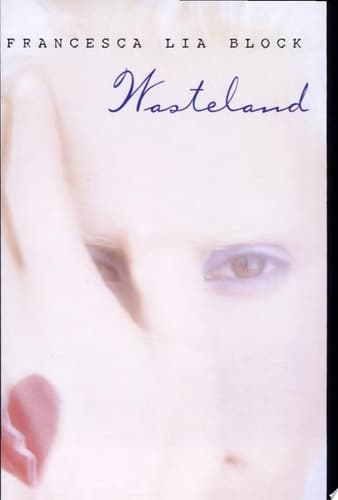
Wasteland — Content Guide for Parents
Themes present
Not found
Content themes
Factual summary of themes present in this book. No opinion — just the facts.
Get the full theme breakdown in the app
Detailed evidence, confidence ratings, and source citations for every theme.
Download for iOSExample theme card
Religious themes
PRESENTContains references to prayer and church attendance. A minister character plays a supporting role in two chapters.
About this book
An exquisite novel about the consequences of who we choose to love.
Lex and his sister, Marina, are inseparable. The air they share has always been light and boundless, but suddenly it's weighted down. And now Lex is gone. When the one relationship that cradled her turns out to shatter her sense of self, Marina needs her friend West to help put the pieces back together. But Marina won't feel truly complete until she faces the past that is haunting her.
Highly acclaimed and award–winning author Francesca Lia Block tells the tale of a brother and sister whose loving relationship is too intense for them to bear. With the sensitivity and refinement that Block is known for, she manages to weave together her characters and their lives into this beautiful and thought–provoking tale.
Frequently asked questions
Is Wasteland appropriate for a 7-year-old?
The book addresses themes of abuse, including mental and physical aspects, as well as the suicide of a main character, Lex. While there is no explicit depiction of sexual violence, the narrative discusses the emotional aftermath of these events, which can be considered a form of violence in terms of psychological impact. The book does not contain genuinely frightening content. While it deals with heavy themes such as suicide and emotional turmoil, it does not feature horror elements that would be considered scary.
Does Wasteland have violence?
The book addresses themes of abuse, including mental and physical aspects, as well as the suicide of a main character, Lex. While there is no explicit depiction of sexual violence, the narrative discusses the emotional aftermath of these events, which can be considered a form of violence in terms of psychological impact.
Does Wasteland have scary content?
The book does not contain genuinely frightening content. While it deals with heavy themes such as suicide and emotional turmoil, it does not feature horror elements that would be considered scary.
Does Wasteland have religious themes?
No religious content in the book itself. The search results do not indicate any religious practices, beliefs, or themes present in the narrative.
Does Wasteland have racial/cultural content?
There are no explicit racial themes or discussions in the narrative. The search results do not indicate that race is a central theme or plot point in 'Wasteland'.
Does Wasteland have profanity?
No profanity is explicitly mentioned in the search results or indicated as part of the book's content. The focus is more on the emotional and thematic elements rather than on language.
Does Wasteland have climate change?
No climate themes are present in the book. The search results do not indicate any environmental or climate-related discussions within the narrative.
Does Wasteland have sexual identity?
The book includes themes of incestuous love between the siblings, Marina and Lex, which is a central plot point. This relationship is portrayed as complex and fraught with emotional tension, highlighting the taboo nature of their attraction.
Does Wasteland have gender roles?
The book touches on gender dynamics, particularly through the lens of attraction between siblings, which challenges traditional gender roles and societal norms. The narrative includes reflections on societal expectations regarding attraction and relationships.
Does Wasteland have lgbtq+ themes?
The book 'Wasteland' explores themes of love and relationships, including complex dynamics between siblings. The narrative hints at incestuous love, which is a significant and controversial aspect of the story, indicating LGBTQ+ themes related to sexual attraction and identity. However, the framing of these themes is nuanced and may not be explicitly categorized as LGBTQ+ in the traditional sense.