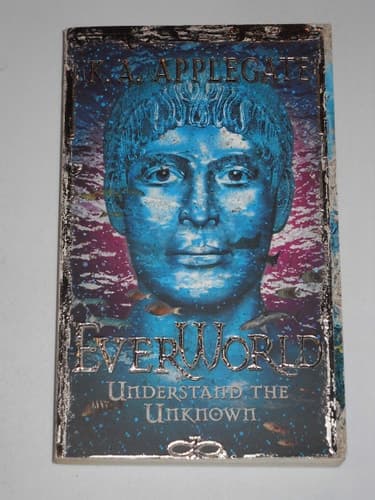
Understand the Unknown — Content Guide for Parents
Themes present
Not found
Content themes
Factual summary of themes present in this book. No opinion — just the facts.
Get the full theme breakdown in the app
Detailed evidence, confidence ratings, and source citations for every theme.
Download for iOSExample theme card
Religious themes
PRESENTContains references to prayer and church attendance. A minister character plays a supporting role in two chapters.
About this book
Frequently asked questions
Is Understand the Unknown appropriate for a 7-year-old?
The narrative involves characters facing threats from Neptune, the ruler of the sea, indicating potential conflict and danger. While specific instances of violence are not detailed in the search results, the context suggests that the characters may encounter perilous situations typical of a fantasy adventure. The book features elements that could be considered scary, such as the existence of creatures that shouldn't exist and a land where dreams and nightmares are real and often deadly. This suggests a potentially frightening atmosphere appropriate for the fantasy genre.
Does Understand the Unknown have violence?
The narrative involves characters facing threats from Neptune, the ruler of the sea, indicating potential conflict and danger. While specific instances of violence are not detailed in the search results, the context suggests that the characters may encounter perilous situations typical of a fantasy adventure.
Does Understand the Unknown have scary content?
The book features elements that could be considered scary, such as the existence of creatures that shouldn't exist and a land where dreams and nightmares are real and often deadly. This suggests a potentially frightening atmosphere appropriate for the fantasy genre.
Does Understand the Unknown have religious themes?
No religious content in the book itself. The search results mention various authors and topics related to religion but do not indicate any religious practices, beliefs, or ceremonies within 'Understand the Unknown'.
Does Understand the Unknown have racial/cultural content?
No explicit racial themes or discussions in the book. The search results do not indicate that race is a central theme or plot point in 'Understand the Unknown'.
Does Understand the Unknown have profanity?
No profanity detected in the book. The search results do not reference any use of profanity in 'Understand the Unknown'.
Does Understand the Unknown have climate change?
No climate themes detected in the book. The search results reference other works by Katherine Applegate that address environmental issues but do not indicate that 'Understand the Unknown' includes such themes.
Does Understand the Unknown have sexual identity?
No sexual content is mentioned in the book. The search results do not indicate any sexual themes or situations within 'Understand the Unknown'.
Does Understand the Unknown have gender roles?
No discussion or critique of gender roles in the book. The search results do not provide evidence that 'Understand the Unknown' addresses gender roles as a theme.
Does Understand the Unknown have lgbtq+ themes?
No LGBTQ+ themes explicitly present in the book 'Understand the Unknown'. The search results focus on general discussions about LGBTQ+ representation in literature and do not provide specific references to LGBTQ+ content within this particular book.