The Titan's Curse (Percy Jackson — Content Guide for Parents
Themes present
Not found
Content themes
Factual summary of themes present in this book. No opinion — just the facts.
Get the full theme breakdown in the app
Detailed evidence, confidence ratings, and source citations for every theme.
Download for iOSExample theme card
Religious themes
PRESENTContains references to prayer and church attendance. A minister character plays a supporting role in two chapters.
About this book
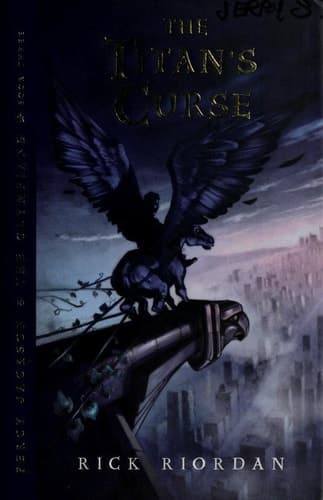
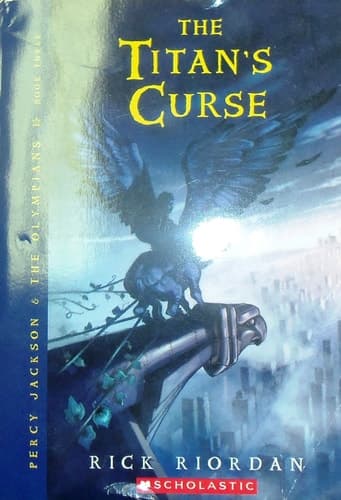
They must find Artemis before the winter solstice, when her influence on the Olympian Council could swing an important vote on the war with the Titans. Not only that, but first Percy will have to solve the mystery of a rare monster that Artemis was hunting when she disappeared -- a monster rumored to be so powerful it could destroy Olympus forever.
Frequently asked questions
Is The Titan's Curse (Percy Jackson appropriate for a 7-year-old?
The narrative includes action sequences and combat, as characters face various threats in their quest. There are mentions of danger and potential fatalities, contributing to a sense of peril throughout the story. The book contains elements that could be considered scary for younger readers, including dangerous situations and the threat of death, particularly as characters confront powerful monsters and face dire prophecies.
Does The Titan's Curse (Percy Jackson have violence?
The narrative includes action sequences and combat, as characters face various threats in their quest. There are mentions of danger and potential fatalities, contributing to a sense of peril throughout the story.
Does The Titan's Curse (Percy Jackson have scary content?
The book contains elements that could be considered scary for younger readers, including dangerous situations and the threat of death, particularly as characters confront powerful monsters and face dire prophecies.
Does The Titan's Curse (Percy Jackson have religious themes?
The book incorporates elements of Greek mythology, featuring gods and goddesses like Aphrodite. It presents these mythological figures in a narrative context, but does not promote or critique any specific religion. The framing is more about mythology than traditional religious practices.
Does The Titan's Curse (Percy Jackson have racial/cultural content?
Race is not a central theme in 'The Titan's Curse'. The characters are diverse, but the narrative does not focus on race-related issues or themes.
Does The Titan's Curse (Percy Jackson have profanity?
There is no profanity in the book. The language used is suitable for a middle-grade audience, focusing on adventure and mythology without the inclusion of strong language.
Does The Titan's Curse (Percy Jackson have climate change?
There are no themes related to climate activism or environmentalism in 'The Titan's Curse'. The story focuses on adventure and mythology without addressing climate issues.
Does The Titan's Curse (Percy Jackson have sexual identity?
No explicit sexual content is present in 'The Titan's Curse'. The book includes themes of young love and crushes, but these are presented in a mild and age-appropriate manner.
Does The Titan's Curse (Percy Jackson have gender roles?
The book features both male and female characters in significant roles, but it does not actively discuss or critique gender roles. The portrayal of characters does not promote traditional or modern gender norms explicitly.
Does The Titan's Curse (Percy Jackson have lgbtq+ themes?
No LGBTQ+ themes are explicitly present in 'The Titan's Curse'. While Nico di Angelo is a gay character in the broader series, this specific book does not focus on his sexual orientation or include LGBTQ+ content.