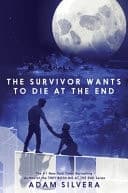
The Survivor Wants to Die at the End — Content Guide for Parents
Themes present
Not found
Content themes
Factual summary of themes present in this book. No opinion — just the facts.
Get the full theme breakdown in the app
Detailed evidence, confidence ratings, and source citations for every theme.
Download for iOSExample theme card
Religious themes
PRESENTContains references to prayer and church attendance. A minister character plays a supporting role in two chapters.
About this book
In this third book of the USA Today and #1 New York Times mega-bestselling They Both Die at the End series, two strangers--each with their own complicated relationship to Death-Cast--help each other learn to live.
Paz Dario stays up every night, waiting for the Death-Cast call that would mean he doesn't have to keep faking his way through this lonely life. After a devastating day, Paz decides he's done waiting around for Death-Cast. If they say he's not dying, he'll just have to prove them wrong. But right before Paz can die, a boy saves his life.
Alano Rosa is heir to the Death-Cast empire that encourages everyone to live their best lives, but he doesn't feel in control of his own existence thanks to his father. And with a violent organization called the Death Guard threatening Alano, his End Day might be closer than he thinks. It's time to live.
Fate brings Paz and Alano together, but it's now up to the boys to survive the tragic trials ahead so no one dies at the end.
This book contains themes that some readers may find difficult.
Frequently asked questions
Is The Survivor Wants to Die at the End appropriate for a 7-year-old?
The narrative includes various forms of violence such as beatings, an assassination attempt, and a terrorist attack. Additionally, a serial killer is mentioned, contributing to a violent backdrop. The book explores heavy themes such as mental health, self-harm, and suicide, which may be distressing for some readers.
Does The Survivor Wants to Die at the End have violence?
The narrative includes various forms of violence such as beatings, an assassination attempt, and a terrorist attack. Additionally, a serial killer is mentioned, contributing to a violent backdrop.
Does The Survivor Wants to Die at the End have scary content?
The book explores heavy themes such as mental health, self-harm, and suicide, which may be distressing for some readers.
Does The Survivor Wants to Die at the End have religious themes?
No religious practices, beliefs, or ceremonies are mentioned in the book's narrative. Discussions of religion are noted but do not indicate a central theme.
Does The Survivor Wants to Die at the End have racial/cultural content?
The main characters are Latino, specifically of Puerto Rican heritage, and the narrative addresses issues related to their identities and experiences.
Does The Survivor Wants to Die at the End have profanity?
The book contains regular use of strong language, including words like 'f--k' and 's--t'.
Does The Survivor Wants to Die at the End have climate change?
No themes related to climate, environmentalism, or activism are present in the book's narrative.
Does The Survivor Wants to Die at the End have sexual identity?
While there are themes of romance, the descriptions indicate that it is mostly limited to making out and does not contain explicit sexual content.
Does The Survivor Wants to Die at the End have gender roles?
There are no explicit traditional or modern gender roles discussed in the narrative. The focus is more on individual character experiences rather than gender expectations.
Does The Survivor Wants to Die at the End have lgbtq+ themes?
The book features queer characters, specifically Latino boys navigating mental health challenges. It is described as a tribute to Latino and queer boys, indicating a focus on LGBTQ+ themes.