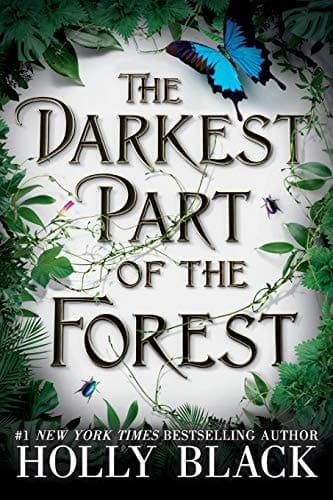
The Darkest Part of the Forest — Content Guide for Parents
Themes present
Not found
Content themes
Factual summary of themes present in this book. No opinion — just the facts.
Get the full theme breakdown in the app
Detailed evidence, confidence ratings, and source citations for every theme.
Download for iOSExample theme card
Religious themes
PRESENTContains references to prayer and church attendance. A minister character plays a supporting role in two chapters.
About this book
In the woods is a glass coffin. It rests on the ground, and in it sleeps a boy with horns on his head and ears as pointed as knives....
Hazel and her brother, Ben, live in Fairfold, where humans and the Folk exist side by side. Since they were children, Hazel and Ben have been telling each other stories about the boy in the glass coffin, that he is a prince and they are valiant knights, pretending their prince would be different from the other faeries, the ones who made cruel bargains, lurked in the shadows of trees, and doomed tourists. But as Hazel grows up, she puts aside those stories. Hazel knows the horned boy will never wake.
Until one day, he does...
As the world turns upside down, Hazel has to become the knight she once pretended to be.
The Darkest Part of the Forest is bestselling author Holly Black's triumphant return to the opulent, enchanting faerie tales that launched her YA career.
Frequently asked questions
Is The Darkest Part of the Forest appropriate for a 7-year-old?
The book contains scenes of violence, including a character killing a fey at a young age and other violent encounters with supernatural creatures. There are also mentions of emotional trauma associated with these violent experiences. The book includes frightening elements, such as a monster that kills a dog and other supernatural threats that create a tense atmosphere. These elements contribute to the overall dark and suspenseful tone of the story.
Does The Darkest Part of the Forest have violence?
The book contains scenes of violence, including a character killing a fey at a young age and other violent encounters with supernatural creatures. There are also mentions of emotional trauma associated with these violent experiences.
Does The Darkest Part of the Forest have scary content?
The book includes frightening elements, such as a monster that kills a dog and other supernatural threats that create a tense atmosphere. These elements contribute to the overall dark and suspenseful tone of the story.
Does The Darkest Part of the Forest have religious themes?
No religious content in the book itself. The narrative focuses on supernatural elements rather than religious practices or beliefs.
Does The Darkest Part of the Forest have racial/cultural content?
No explicit racial themes or discussions about race are present in the book. The narrative does not focus on issues of race or racism as central themes.
Does The Darkest Part of the Forest have profanity?
Teen characters in the book use vulgar language and profanity, including terms such as 's--t,' 'f--k,' and others. This language is noted as part of the characters' dialogue throughout the story.
Does The Darkest Part of the Forest have climate change?
No climate themes or discussions about environmental issues are present in the book. The focus remains on fantasy and supernatural elements rather than climate-related topics.
Does The Darkest Part of the Forest have sexual identity?
The book explores mature themes, including sexual relationships and the complexities of teenage romance. Characters engage in discussions about sex and relationships, which are integral to the narrative.
Does The Darkest Part of the Forest have gender roles?
The book subverts traditional gender roles by featuring a female protagonist who is a knight and a male character who is a musician, challenging typical gender expectations. The narrative includes clever inversions of gender norms without falling into stereotypes.
Does The Darkest Part of the Forest have lgbtq+ themes?
The book features a gay main character and includes LGBTQ+ themes, with a casual approach to representation that normalizes the character's sexuality. The narrative includes a relationship that is not centered solely on the characters' sexual identities, portraying them as complex individuals with their own struggles.