Symptoms of Being Human — Content Guide for Parents
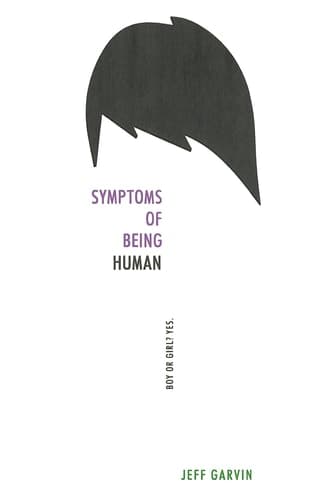
Themes present
Not found
Content themes
Factual summary of themes present in this book. No opinion — just the facts.
Get the full theme breakdown in the app
Detailed evidence, confidence ratings, and source citations for every theme.
Download for iOSExample theme card
Religious themes
PRESENTContains references to prayer and church attendance. A minister character plays a supporting role in two chapters.
About this book
Starred reviews from Publishers Weekly and Booklist * YALSA Top Ten Quick Pick for Reluctant Readers * ALA Best Fiction for Young Adults List * 2017 Rainbow List
A sharply honest and moving debut perfect for fans of The Perks of Being a Wallflower and Ask the Passengers.
Riley Cavanaugh is many things: Punk rock. Snarky. Rebellious. And gender fluid. Some days Riley identifies as a boy, and others as a girl. But Riley isn't exactly out yet. And between starting a new school and having a congressman father running for reelection in über-conservative Orange County, the pressure—media and otherwise—is building up in Riley's life.
On the advice of a therapist, Riley starts an anonymous blog to vent those pent-up feelings and tell the truth of what it's really like to be a gender fluid teenager. But just as Riley's starting to settle in at school—even developing feelings for a mysterious outcast—the blog goes viral, and an unnamed commenter discovers Riley's real identity, threatening exposure. And Riley must make a choice: walk away from what the blog has created—a lifeline, new friends, a cause to believe in—or stand up, come out, and risk everything.
From debut author Jeff Garvin comes a powerful and uplifting portrait of a modern teen struggling with high school, relationships, and what it means to be human.
Frequently asked questions
Is Symptoms of Being Human appropriate for a 7-year-old?
The book includes references to harassment and violence related to the protagonist's gender identity, as well as mentions of sexual themes that underpin these experiences. No scary content or themes detected in the search results.
Does Symptoms of Being Human have violence?
The book includes references to harassment and violence related to the protagonist's gender identity, as well as mentions of sexual themes that underpin these experiences.
Does Symptoms of Being Human have scary content?
No scary content or themes detected in the search results.
Does Symptoms of Being Human have religious themes?
No religious content or themes detected in the book's narrative based on the search results.
Does Symptoms of Being Human have racial/cultural content?
No explicit racism or racial themes detected in the book's narrative based on the search results.
Does Symptoms of Being Human have profanity?
No profanity detected in the search results related to the book's narrative.
Does Symptoms of Being Human have climate change?
No climate-related themes detected in the search results.
Does Symptoms of Being Human have sexual identity?
There are references to sexual anatomy and themes of sexual harassment. The book also addresses the context of sexual violence faced by transgender and non-binary individuals, though it does not detail specific incidents.
Does Symptoms of Being Human have gender roles?
The book critiques traditional gender roles by presenting a gender-fluid character and discussing the spectrum of gender identity. It emphasizes that gender is not binary and challenges societal norms surrounding gender.
Does Symptoms of Being Human have lgbtq+ themes?
The book features a gender-fluid protagonist, Riley, whose assigned gender at birth is never revealed. The narrative emphasizes the importance of understanding gender identity and fluidity, making it relatable for LGBTQ+ teens and allies.