Smoke — Content Guide for Parents
Themes present
Not found
Content themes
Factual summary of themes present in this book. No opinion — just the facts.
Get the full theme breakdown in the app
Detailed evidence, confidence ratings, and source citations for every theme.
Download for iOSExample theme card
Religious themes
PRESENTContains references to prayer and church attendance. A minister character plays a supporting role in two chapters.
About this book
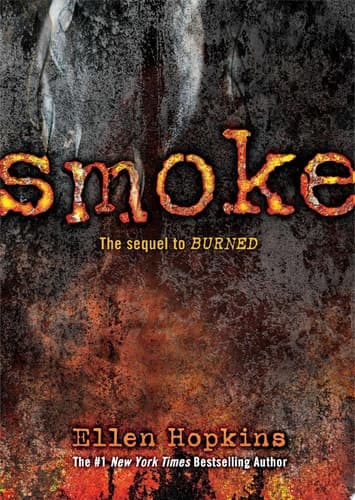
Pattyn Von Stratten’s father is dead, and Pattyn is on the run. After far too many years of abuse at the hands of her father, and after the tragic loss of her beloved Ethan and their unborn child, Pattyn is desperate for peace. Only her sister Jackie knows what happened that night, but she is stuck at home with their mother, who clings to normalcy by allowing the truth to be covered up by their domineering community leaders. Her father might be finally gone, but without Pattyn, Jackie is desperately isolated.
Alone and in disguise, Pattyn starts a new life as a migrant worker on a California ranch. But is it even possible to rebuild a life when everything you’ve known has burned to ash and lies seem far safer than the truth?
Bestselling author Ellen Hopkins continues the riveting story of Pattyn Von Stratten she began in Burned to explore what it takes to rise from the ashes, put ghosts to rest, and step into a future.
Frequently asked questions
Is Smoke appropriate for a 7-year-old?
The narrative includes intense violence, such as a character killing their abusive father and dealing with the aftermath of this act. Themes of physical abuse and the psychological impact of violence are central to the story. The book features intense and potentially frightening situations, particularly surrounding themes of violence and abuse, which may be unsettling for younger readers.
Does Smoke have violence?
The narrative includes intense violence, such as a character killing their abusive father and dealing with the aftermath of this act. Themes of physical abuse and the psychological impact of violence are central to the story.
Does Smoke have scary content?
The book features intense and potentially frightening situations, particularly surrounding themes of violence and abuse, which may be unsettling for younger readers.
Does Smoke have religious themes?
The book portrays a negative view of the Mormon church and discusses the role of religion in the context of abuse and personal struggles. This framing suggests a critical perspective on religious institutions.
Does Smoke have racial/cultural content?
The book addresses issues of racism and immigration, indicating a critique of societal issues related to race. This framing suggests a focus on the intersectionality of race and personal struggles.
Does Smoke have profanity?
The narrative contains swearing and references to substance use, indicating a level of mature language that reflects the intense situations faced by the characters.
Does Smoke have climate change?
No climate themes or discussions related to environmentalism are detected in the search results.
Does Smoke have sexual identity?
The book deals with mature themes including rape, sexual assault, and the complexities of teenage relationships. These elements are presented in a way that encourages discussion about consent and abuse.
Does Smoke have gender roles?
The narrative explores traditional gender roles and the impact of abuse on female characters, suggesting a critique of these roles. The story highlights the struggles of women in abusive situations.
Does Smoke have lgbtq+ themes?
The book addresses themes of homophobia and includes LGBTQ+ characters. The narrative explores the struggles faced by these characters, indicating a normalization of LGBTQ+ experiences within the context of the story.