Roller Girl — Content Guide for Parents
Themes present
Not found
Content themes
Factual summary of themes present in this book. No opinion — just the facts.
Get the full theme breakdown in the app
Detailed evidence, confidence ratings, and source citations for every theme.
Download for iOSExample theme card
Religious themes
PRESENTContains references to prayer and church attendance. A minister character plays a supporting role in two chapters.
About this book
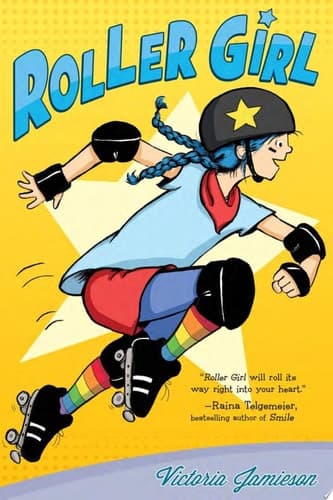
For most of her twelve years, Astrid has done everything with her best friend Nicole. But after Astrid falls in love with roller derby and signs up for derby camp, Nicole decides to go to dance camp instead. And so begins the most difficult summer of Astrid's life as she struggles to keep up with the older girls at camp, hang on to the friend she feels slipping away, and cautiously embark on a new friendship. As the end of summer nears and her first roller derby bout (and junior high!) draws closer, Astrid realizes that maybe she is strong enough to handle the bout, a lost friendship, and middle school… in short, strong enough to be a roller girl.
In this graphic novel debut that earned a Newbery Honor and five starred reviews, real-life derby girl Victoria Jamieson has created an inspiring coming-of-age story about friendship, perseverance, and girl power!
Frequently asked questions
Is Roller Girl appropriate for a 7-year-old?
The book contains depictions of bumping, falling, and hitting as part of roller derby, which are integral to the sport. Additionally, one player uses makeup to simulate dripping blood during bouts, which adds a dramatic element but is not intended to be graphic or harmful. There is no genuinely frightening content in the book. The narrative focuses on the experiences of growing up and participating in roller derby, which is depicted in a fun and engaging manner without elements that would cause fear or distress.
Does Roller Girl have violence?
The book contains depictions of bumping, falling, and hitting as part of roller derby, which are integral to the sport. Additionally, one player uses makeup to simulate dripping blood during bouts, which adds a dramatic element but is not intended to be graphic or harmful.
Does Roller Girl have scary content?
There is no genuinely frightening content in the book. The narrative focuses on the experiences of growing up and participating in roller derby, which is depicted in a fun and engaging manner without elements that would cause fear or distress.
Does Roller Girl have religious themes?
No religious content in the book itself. The search results do not indicate any religious practices, beliefs, or themes present in the narrative of 'Roller Girl'.
Does Roller Girl have racial/cultural content?
The illustrations in 'Roller Girl' showcase racial diversity and include characters of various backgrounds, promoting inclusivity. This aspect is highlighted as a positive feature of the book, allowing readers to identify with a range of characters.
Does Roller Girl have profanity?
The book includes mild profanity such as terms like 'jerks', 'morons', and 'turd buckets'. These instances are relatively minor and appear infrequently, making them suitable for the intended age group.
Does Roller Girl have climate change?
No climate-related themes or discussions are present in the book. The narrative focuses on personal growth and friendships rather than environmental issues.
Does Roller Girl have sexual identity?
There is no explicit sexual content in the book. While there are themes of crushes and young relationships, they are presented in a light and age-appropriate manner without any inappropriate sexual themes.
Does Roller Girl have gender roles?
The book promotes themes of girl empowerment and resilience through the lens of roller derby, showcasing female characters who are strong and independent. It encourages young girls to embrace their identities and interests, challenging traditional gender expectations.
Does Roller Girl have lgbtq+ themes?
The narrative of 'Roller Girl' includes themes that resonate with young queer readers, particularly through the character of Astrid, who may have a crush on an older roller derby player, Rainbow Bite. This aspect of the story allows for various interpretations of relationships and identity, making it relatable for LGBTQ+ youth.