Matilda — Content Guide for Parents
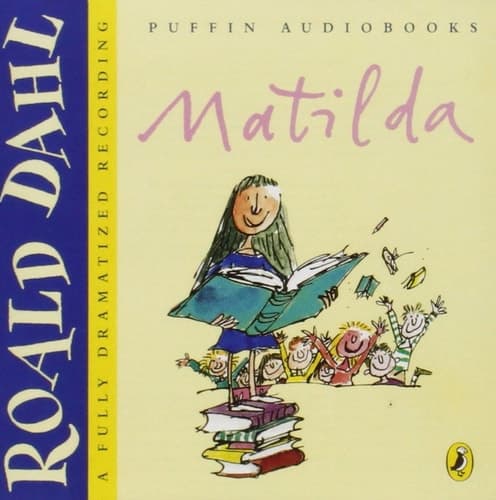
Themes present
Not found
Content themes
Factual summary of themes present in this book. No opinion — just the facts.
Violence
The book includes instances of physical abuse, such as Miss Trunchbull's violent treatment of students, which includes name-calling, tossing children out of windows, and locking them in a closet lined with spiky nails. These elements are significant in the story and contribute to the overall theme of overcoming tyranny.
Scary content
The character of Miss Trunchbull is described as a frightening figure who terrorizes children, which may be unsettling for younger readers. The overall tone includes dark themes that could be considered scary, particularly in the context of child abuse and bullying.
Religious themes
No religious content in the book itself. Discussions about Roald Dahl's personal beliefs and background do not reflect any religious themes or practices present in the narrative of Matilda.
Racial/cultural content
There are no explicit themes of race or racism in the book. Discussions about Roald Dahl's personal views on race do not translate into the narrative of Matilda, which does not focus on racial issues.
Profanity
No profanity in the book itself. Any mentions of mild language or exclamations are related to adaptations and do not reflect the content of the original text.
Climate change
No climate themes present in the book. Discussions regarding Matilda's relevance to modern climate issues are speculative and not part of the book's narrative.
Sexual identity
No sexual content in the book. The narrative is focused on childhood experiences and does not include themes or discussions related to sexuality.
Gender roles
The book features themes of youthful independence and personal identity, particularly through Matilda's character, who is portrayed as intelligent and capable. The narrative critiques traditional gender roles by showcasing Matilda's abilities in contrast to the oppressive figures around her, such as Miss Trunchbull.
LGBTQ+ themes
While there are discussions about Matilda's status as a queer classic and its appeal to LGBTQ+ audiences, these references are largely external interpretations and do not indicate explicit LGBTQ+ content within the book itself. The narrative does not contain LGBTQ+ characters or themes.
Check any of 8,990 books
Get theme breakdowns, confidence ratings, and source citations for every book in the database. No opinions.
About this book
Frequently asked questions
Is Matilda appropriate for a 7-year-old?
The book includes instances of physical abuse, such as Miss Trunchbull's violent treatment of students, which includes name-calling, tossing children out of windows, and locking them in a closet lined with spiky nails. These elements are significant in the story and contribute to the overall theme of overcoming tyranny. The character of Miss Trunchbull is described as a frightening figure who terrorizes children, which may be unsettling for younger readers. The overall tone includes dark themes that could be considered scary, particularly in the context of child abuse and bullying.
Does Matilda have violence?
The book includes instances of physical abuse, such as Miss Trunchbull's violent treatment of students, which includes name-calling, tossing children out of windows, and locking them in a closet lined with spiky nails. These elements are significant in the story and contribute to the overall theme of overcoming tyranny.
Does Matilda have scary content?
The character of Miss Trunchbull is described as a frightening figure who terrorizes children, which may be unsettling for younger readers. The overall tone includes dark themes that could be considered scary, particularly in the context of child abuse and bullying.
Does Matilda have religious themes?
No religious content in the book itself. Discussions about Roald Dahl's personal beliefs and background do not reflect any religious themes or practices present in the narrative of Matilda.
Does Matilda have racial/cultural content?
There are no explicit themes of race or racism in the book. Discussions about Roald Dahl's personal views on race do not translate into the narrative of Matilda, which does not focus on racial issues.
Does Matilda have profanity?
No profanity in the book itself. Any mentions of mild language or exclamations are related to adaptations and do not reflect the content of the original text.
Does Matilda have climate change?
No climate themes present in the book. Discussions regarding Matilda's relevance to modern climate issues are speculative and not part of the book's narrative.
Does Matilda have sexual identity?
No sexual content in the book. The narrative is focused on childhood experiences and does not include themes or discussions related to sexuality.
Does Matilda have gender roles?
The book features themes of youthful independence and personal identity, particularly through Matilda's character, who is portrayed as intelligent and capable. The narrative critiques traditional gender roles by showcasing Matilda's abilities in contrast to the oppressive figures around her, such as Miss Trunchbull.
Does Matilda have lgbtq+ themes?
While there are discussions about Matilda's status as a queer classic and its appeal to LGBTQ+ audiences, these references are largely external interpretations and do not indicate explicit LGBTQ+ content within the book itself. The narrative does not contain LGBTQ+ characters or themes.