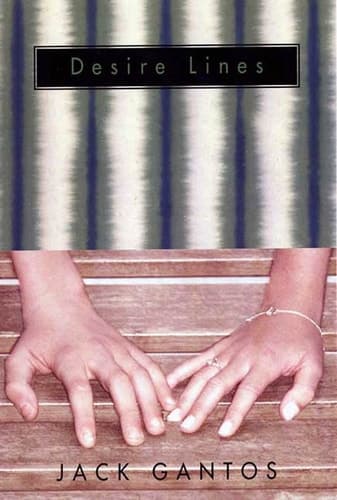
Desire Lines — Content Guide for Parents
Themes present
Not found
Content themes
Factual summary of themes present in this book. No opinion — just the facts.
Get the full theme breakdown in the app
Detailed evidence, confidence ratings, and source citations for every theme.
Download for iOSExample theme card
Religious themes
PRESENTContains references to prayer and church attendance. A minister character plays a supporting role in two chapters.
About this book
Sixteen-year-old Walker has discovered something potentially scandalous—two of his female classmates are having an affair. It is a secret he has no problem keeping to himself . . . until it comes to protecting his own reputation.
"It is difficult to close Desire Lines without the overpowering feeling that evil's caretaker can very well be an average young man who lacks the courage to do what he knows is right. This is a morality play as painful and rage-inducing as a personal betrayal. Take it personally. You cannot read this without getting as emotionally involved as if you were a player in the story." —Chris Lynch
Frequently asked questions
Is Desire Lines appropriate for a 7-year-old?
The book contains explicit violence, culminating in a tragic event where one character kills another before taking her own life. This depiction highlights the severe consequences of bullying and societal pressures faced by LGBTQ+ individuals. The book explores themes of fear and suspicion within a community, particularly how these emotions affect young people. The atmosphere of tension and the tragic outcomes contribute to a sense of unease, which may be frightening for some readers.
Does Desire Lines have violence?
The book contains explicit violence, culminating in a tragic event where one character kills another before taking her own life. This depiction highlights the severe consequences of bullying and societal pressures faced by LGBTQ+ individuals.
Does Desire Lines have scary content?
The book explores themes of fear and suspicion within a community, particularly how these emotions affect young people. The atmosphere of tension and the tragic outcomes contribute to a sense of unease, which may be frightening for some readers.
Does Desire Lines have religious themes?
The narrative includes the presence of a 'rabid evangelical preacher' who incites a witch-hunt against gay students, indicating a critical view of religious extremism and its impact on the community. This theme suggests a tension between religious beliefs and LGBTQ+ identities.
Does Desire Lines have racial/cultural content?
The search results do not indicate any explicit themes of race or racism in the narrative. The focus is primarily on LGBTQ+ issues and the societal reactions to them.
Does Desire Lines have profanity?
There is no mention of profanity in the book's content based on the search results. The focus remains on the themes of bullying and societal issues rather than on language.
Does Desire Lines have climate change?
The search results indicate a focus on societal fear and suspicion rather than environmental themes. The term 'climate' in the context of the book refers to the social atmosphere rather than ecological issues.
Does Desire Lines have sexual identity?
While the book addresses LGBTQ+ relationships, it is noted that Gantos is vague about sexual acts. The focus is more on the emotional and societal implications rather than explicit sexual content, which may reflect a broader commentary on youth and sexuality.
Does Desire Lines have gender roles?
The book does not actively discuss or critique gender roles. While it features LGBTQ+ characters, the primary focus is on the impact of societal attitudes towards their relationships rather than on gender expectations.
Does Desire Lines have lgbtq+ themes?
The book features LGBTQ+ themes, particularly focusing on a storyline involving two female classmates who are lovers. However, the narrative reportedly sidelines these characters and does not give them a voice, ultimately leading to tragic outcomes related to homophobia. This framing suggests a critique of societal attitudes towards LGBTQ+ individuals.