Cookie (Sesame Street Friends) — Content Guide for Parents
Themes present
Not found
Content themes
Factual summary of themes present in this book. No opinion — just the facts.
Get the full theme breakdown in the app
Detailed evidence, confidence ratings, and source citations for every theme.
Download for iOSExample theme card
Religious themes
PRESENTContains references to prayer and church attendance. A minister character plays a supporting role in two chapters.
About this book
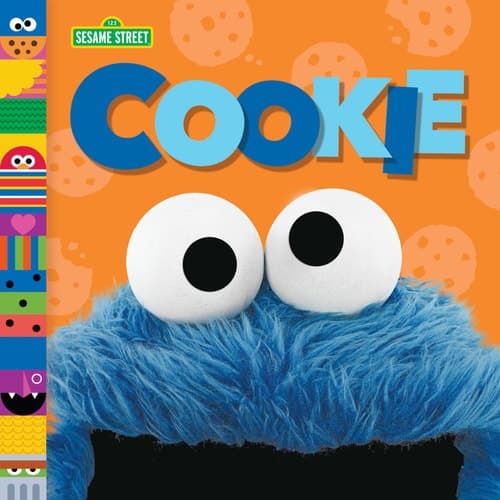
Learn all about Cookie Monster in a new Sesame Street board book illustrated with bold, bright photographs. As they pore over the many sturdy pages, babies and toddlers will be delighted to see what Cookie likes to do: play with friends, dance, bake cookies, EAT cookies, and much more. It's a book they'll go back to again and again.
Sesame Workshop, the nonprofit educational organization behind Sesame Street, aims to help kids grow smarter, stronger, and kinder through its many unique domestic and international initiatives. These projects cover a wide array of topics for families around the world. Sesame Street is the most trusted name in early learning.
Frequently asked questions
Is Cookie (Sesame Street Friends) appropriate for a 7-year-old?
No violence is depicted in the book. The content focuses on Cookie Monster's playful activities, such as playing with friends and eating cookies, which are age-appropriate and non-violent. No scary content is present in the book. The narrative is light-hearted and designed for young children, focusing on Cookie Monster's enjoyable activities.
Does Cookie (Sesame Street Friends) have violence?
No violence is depicted in the book. The content focuses on Cookie Monster's playful activities, such as playing with friends and eating cookies, which are age-appropriate and non-violent.
Does Cookie (Sesame Street Friends) have scary content?
No scary content is present in the book. The narrative is light-hearted and designed for young children, focusing on Cookie Monster's enjoyable activities.
Does Cookie (Sesame Street Friends) have religious themes?
No religious content is present in the book itself. The search results mention general discussions about Sesame Street and its content but do not indicate any specific religious themes or practices in this book.
Does Cookie (Sesame Street Friends) have racial/cultural content?
No explicit racial themes are present in the book. While Sesame Street has addressed issues of race in its broader programming, this specific book does not focus on race as a central theme.
Does Cookie (Sesame Street Friends) have profanity?
No profanity is present in the book. The content is suitable for young children, focusing on fun and educational themes without any inappropriate language.
Does Cookie (Sesame Street Friends) have climate change?
No climate themes are present in the book. The content focuses on Cookie Monster's adventures and does not address environmental issues.
Does Cookie (Sesame Street Friends) have sexual identity?
No sexual content is present in the book. The search results reference other media but do not indicate any sexual themes in 'Cookie (Sesame Street Friends)'.
Does Cookie (Sesame Street Friends) have gender roles?
The book does not actively discuss or promote gender roles. It features Cookie Monster engaging in various fun activities without any specific emphasis on traditional or modern gender roles.
Does Cookie (Sesame Street Friends) have lgbtq+ themes?
No LGBTQ+ themes or characters are present in the book 'Cookie (Sesame Street Friends)'. The search results primarily reference broader discussions about LGBTQ+ representation in media, not specifically related to this book.
Related books
More related books will appear here when available.