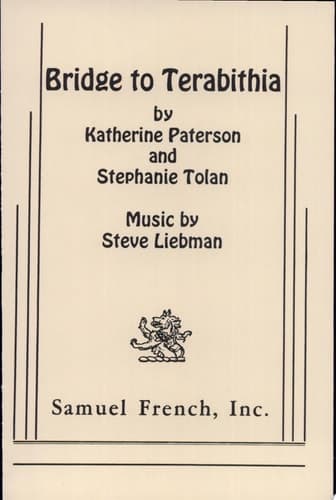
Bridge to Terabithia A Play with Music — Content Guide for Parents
Themes present
Not found
Content themes
Factual summary of themes present in this book. No opinion — just the facts.
Get the full theme breakdown in the app
Detailed evidence, confidence ratings, and source citations for every theme.
Download for iOSExample theme card
Religious themes
PRESENTContains references to prayer and church attendance. A minister character plays a supporting role in two chapters.
About this book
Frequently asked questions
Is Bridge to Terabithia A Play with Music appropriate for a 7-year-old?
The book addresses themes of bullying and includes a sensitive portrayal of death, which can be considered a form of emotional violence. Additionally, there are references to child abuse, presented in a realistic format that is appropriate for the target audience. While the story includes themes of loneliness and loss, it does not contain genuinely frightening content. The elements of danger are more emotional than physical, focusing on the characters' experiences rather than horror.
Does Bridge to Terabithia A Play with Music have violence?
The book addresses themes of bullying and includes a sensitive portrayal of death, which can be considered a form of emotional violence. Additionally, there are references to child abuse, presented in a realistic format that is appropriate for the target audience.
Does Bridge to Terabithia A Play with Music have scary content?
While the story includes themes of loneliness and loss, it does not contain genuinely frightening content. The elements of danger are more emotional than physical, focusing on the characters' experiences rather than horror.
Does Bridge to Terabithia A Play with Music have religious themes?
The narrative includes themes of faith and spirituality, presenting religion in a nuanced manner. It reflects Katherine Paterson's upbringing, showing faith as fulfilling when not bound by strict dogma. The book has faced challenges for perceived sacrilege and promoting new age beliefs.
Does Bridge to Terabithia A Play with Music have racial/cultural content?
The book does not explicitly address race as a central theme or plot element. It focuses on friendship and personal growth rather than racial issues.
Does Bridge to Terabithia A Play with Music have profanity?
The book includes some mild profanity, such as phrases like 'Oh Lord' used as expletives. This has led to challenges regarding its appropriateness for younger readers.
Does Bridge to Terabithia A Play with Music have sexual identity?
There are no explicit sexual themes or content in the book. The narrative focuses on the friendship between the main characters, Jess and Leslie, without any romantic or sexual undertones.
Does Bridge to Terabithia A Play with Music have gender roles?
The book critiques traditional gender roles through the character of Leslie, who challenges societal expectations and embraces her individuality. This theme is central to the narrative, promoting the idea that gender roles should not define identity.
Does Bridge to Terabithia A Play with Music have lgbtq+ themes?
The book features a gender non-conforming secondary character, Leslie, who publicly resists stereotypical gender roles and contends with societal pressures. This aspect of the story suggests a representation of LGBTQ+ themes, particularly in the context of gender identity and expression.