The Wizard of Oz — Content Guide for Parents
Themes present
Not found
Content themes
Factual summary of themes present in this book. No opinion — just the facts.
Get the full theme breakdown in the app
Detailed evidence, confidence ratings, and source citations for every theme.
Download for iOSExample theme card
Religious themes
PRESENTContains references to prayer and church attendance. A minister character plays a supporting role in two chapters.
About this book
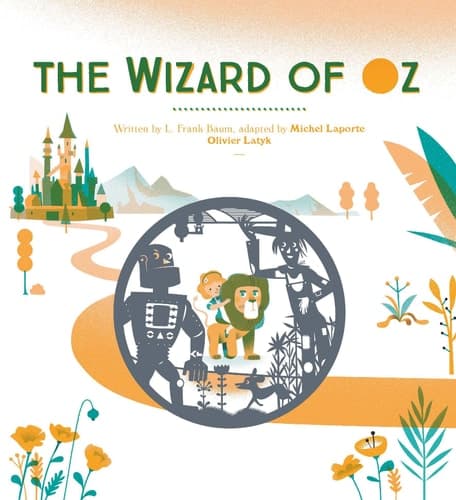
A stylish new edition of the classic children's story is brought to live by incredible new illustrations which introduce you to familiar and lovable characters such as Lion and Tin Man as you join Dorothy and Toto on their journey to visit The Wizard of Oz. Dorothy lives on a farm in Kansas with her aunt and uncle and her little dog Toto. Suddenly, a violent storm transports Dorothy to the land of Oz. Her only means of getting home is to follow the famous yellow brick road to meet with the famous wizard. Along the way, she makes new friends and encounters both good fortune and danger. The original book was first published in 1900, and this new edition has a text specially adapted for younger readers which captures the excitement and drama in way that is accessible, easy to follow. The perfect introduction to the classic story for a new generation.
Frequently asked questions
Is The Wizard of Oz appropriate for a 7-year-old?
The book contains instances of violence, such as Dorothy accidentally killing the Wicked Witch of the East and the characters engaging in battles against various creatures. While Baum aimed to create a non-violent story compared to traditional fairy tales, there are still notable violent actions depicted. While there are elements of peril and some characters may be frightening, such as the Wicked Witch, the overall tone of the book is not designed to be scary. It is more whimsical and adventurous, making it suitable for children.
Does The Wizard of Oz have violence?
The book contains instances of violence, such as Dorothy accidentally killing the Wicked Witch of the East and the characters engaging in battles against various creatures. While Baum aimed to create a non-violent story compared to traditional fairy tales, there are still notable violent actions depicted.
Does The Wizard of Oz have scary content?
While there are elements of peril and some characters may be frightening, such as the Wicked Witch, the overall tone of the book is not designed to be scary. It is more whimsical and adventurous, making it suitable for children.
Does The Wizard of Oz have religious themes?
The narrative includes themes that critique traditional authority figures, such as the Wizard being a fraud, which can be interpreted as a commentary on religious figures. Baum's background in Ethical Culture, which emphasized morality over religion, also influences the text. However, explicit religious practices or ceremonies are not present.
Does The Wizard of Oz have racial/cultural content?
Baum's writings reflect the racist ideologies of his time, including problematic views towards Native Americans, as evidenced by his editorials calling for their extermination. This aspect of his background and its implications on the narrative are discussed in various critiques of the text.
Does The Wizard of Oz have profanity?
The book does not contain any profanity. It is written in a manner suitable for children, focusing on adventure and fantasy without the inclusion of inappropriate language.
Does The Wizard of Oz have climate change?
Some analyses draw connections between the narrative and themes of environmentalism and sustainability, particularly in discussions about weather and its impact on the characters' journeys. However, these themes are not central to the story itself.
Does The Wizard of Oz have sexual identity?
No explicit sexual content is present in the book. While some analyses suggest queer themes, they do not equate to sexual content as understood in a conventional sense.
Does The Wizard of Oz have gender roles?
The book features strong female characters, such as Dorothy and Glinda, and presents a narrative where women hold positions of power. This has been interpreted as a progressive stance on gender roles for its time, with Dorothy serving as a hero figure.
Does The Wizard of Oz have lgbtq+ themes?
The book includes a line where Polychrome comments on Dorothy's friends, saying, 'You have some queer friends, Dorothy,' to which Dorothy replies that the queerness doesn't matter as long as they are friends. This suggests a level of acceptance of diverse identities. However, the framing of LGBTQ+ themes is more prominent in later interpretations and analyses rather than being a central theme in the original text.