The Secret Garden — Content Guide for Parents
Themes present
Not found
Content themes
Factual summary of themes present in this book. No opinion — just the facts.
Get the full theme breakdown in the app
Detailed evidence, confidence ratings, and source citations for every theme.
Download for iOSExample theme card
Religious themes
PRESENTContains references to prayer and church attendance. A minister character plays a supporting role in two chapters.
About this book
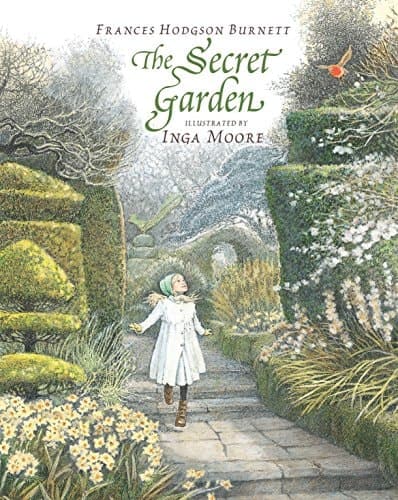
First published in 1911, The Secret Garden has entranced readers with the courage of two unhappy and withering children who become determined to make their lives, and the lives of others around them, more joyful. In this engaging unabridged edition, Inga Moore’s beautifully observed illustrations capture the magic of the secret garden springing to life under the tender care of Mary Lennox; her spoiled invalid cousin, Colin; and Dickon, a nature-loving Yorkshire boy.
Frequently asked questions
Is The Secret Garden appropriate for a 7-year-old?
No explicit violence is present in the book. The narrative focuses on emotional and personal growth rather than physical conflict or harm. No genuinely frightening content is present in the book. While there are themes of grief and sadness, they are handled in a gentle manner suitable for children.
Does The Secret Garden have violence?
No explicit violence is present in the book. The narrative focuses on emotional and personal growth rather than physical conflict or harm.
Does The Secret Garden have scary content?
No genuinely frightening content is present in the book. While there are themes of grief and sadness, they are handled in a gentle manner suitable for children.
Does The Secret Garden have religious themes?
The book reflects themes associated with Christian Science and New Thought philosophies, particularly in the healing aspects of nature and positive thinking. These elements suggest a spiritual underpinning that aligns with Burnett's interests in these religious movements.
Does The Secret Garden have racial/cultural content?
While the book features characters from different backgrounds, it does not explicitly address race as a central theme. Some discussions suggest it engages with issues of colonialism and cultural perceptions, but these are not prominent in the narrative itself.
Does The Secret Garden have profanity?
No profanity is present in the book. The language used is appropriate for children and does not include any offensive terms.
Does The Secret Garden have climate change?
The book includes themes related to nature and the environment, portraying the healing power of the garden and its impact on the characters' well-being. It has been suggested that it can be viewed as an early work of climate fiction, emphasizing the relationship between humans and their environment.
Does The Secret Garden have sexual identity?
No sexual content is present in the book. The story centers on themes of friendship, healing, and personal transformation among children.
Does The Secret Garden have gender roles?
The book presents traditional gender roles, particularly through the characters of Mary and Colin, who initially embody stereotypical behaviors but grow and evolve throughout the story. The narrative explores themes of empowerment and personal growth, particularly for the female protagonist.
Does The Secret Garden have lgbtq+ themes?
No LGBTQ+ themes are explicitly present in the book. While some analyses suggest discussions around gender identity and attributes, these interpretations do not indicate direct LGBTQ+ content in the narrative itself.