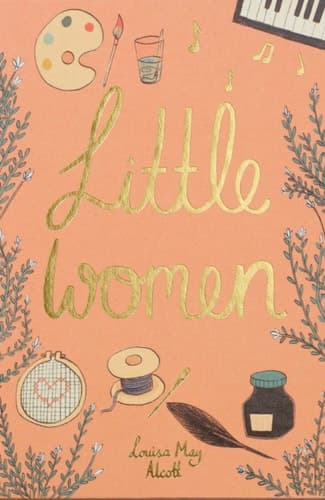
Little Women — Content Guide for Parents
Themes present
Not found
Content themes
Factual summary of themes present in this book. No opinion — just the facts.
Get the full theme breakdown in the app
Detailed evidence, confidence ratings, and source citations for every theme.
Download for iOSExample theme card
Religious themes
PRESENTContains references to prayer and church attendance. A minister character plays a supporting role in two chapters.
About this book
Frequently asked questions
Is Little Women appropriate for a 7-year-old?
The book does not contain explicit violence between characters. While it addresses themes of illness, death, and poverty, these are presented in a historical context without graphic depictions of violence. The book does not contain genuinely frightening content. While it deals with serious themes such as illness and loss, these are handled in a manner suitable for its intended audience.
Does Little Women have violence?
The book does not contain explicit violence between characters. While it addresses themes of illness, death, and poverty, these are presented in a historical context without graphic depictions of violence.
Does Little Women have scary content?
The book does not contain genuinely frightening content. While it deals with serious themes such as illness and loss, these are handled in a manner suitable for its intended audience.
Does Little Women have religious themes?
The book features significant religious themes, particularly Christian values, as the March family practices kindness, charity, and moral teachings consistent with Christianity. The girls often struggle with their desires and learn to appreciate what they have, reflecting their moral upbringing.
Does Little Women have racial/cultural content?
Race is not a central theme in 'Little Women.' The narrative focuses on the lives of the March sisters and their personal growth, without explicit discussions of racial issues or themes.
Does Little Women have profanity?
There is no profanity or crude language in 'Little Women.' The language used is appropriate for the time period and intended audience.
Does Little Women have climate change?
There are no explicit themes related to climate activism or environmentalism in 'Little Women.' The narrative focuses primarily on family dynamics and personal growth.
Does Little Women have sexual identity?
No explicit sexual content is present in the narrative of 'Little Women.' While there are discussions around relationships and courtship, these do not include sexual acts or themes.
Does Little Women have gender roles?
The book explores traditional gender roles, depicting women as expected to be docile and skilled in housekeeping. However, it also features characters like Jo who challenge these norms, indicating a complex relationship with gender expectations.
Does Little Women have lgbtq+ themes?
No explicit LGBTQ+ themes are present in the narrative of 'Little Women.' While there are discussions and interpretations about Louisa May Alcott's identity and the relationships between female characters, these do not constitute explicit LGBTQ+ content within the book itself.